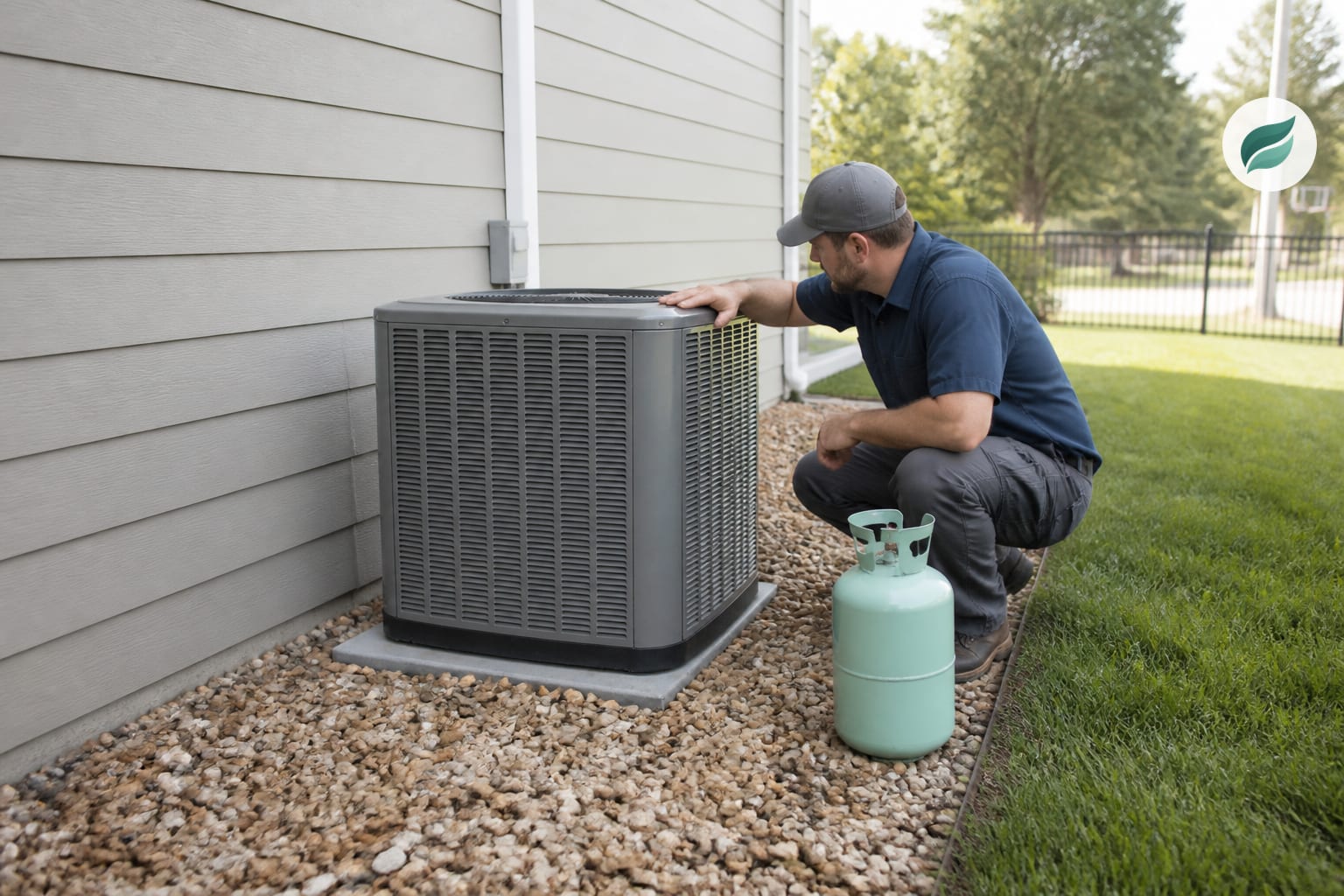
Track refrigerant per appliance, or expect trouble
The AIM Act phase-down makes recordkeeping the weak link; accurate, per-appliance refrigerant logs stop audits, save energy, and catch leaks early.
The single most important move shops can make is record every pound of refrigerant to the specific appliance it services.
Why recordkeeping matters now
Under the AIM Act the U.S. is phasing down high‑GWP HFCs and inspectors want clear, appliance‑level proof of what was added, recovered, and when. Technicians can often do the repairs, the gap is the paper trail. Without per‑appliance logs you risk longer audits, enforcement attention, and missed opportunities to find chronic leaks.
What to record, every time
Keep one line per service visit tied to the appliance ID: date, technician, refrigerant type, amount added, amount recovered, and whether a leak repair was performed. Also note the appliance’s full nameplate charge and any calculations used to derive a 12‑month leak rate. These items make leak‑rate math and verification straightforward.
How leak rates fit in
A leak rate is the percent of a unit’s full charge lost over the prior 12 months, calculated from refrigerant added during that time relative to the full charge. When leak rates exceed thresholds under EPA Section 608, repairs and follow‑up verification are triggered. Tracking per‑appliance additions is how you prove the denominator and numerator for that calculation.
Practical steps shops can take today
- Assign each appliance a durable ID and log every service to that ID. Use the nameplate charge, not memory. Keep receipts and recovery logs.
The business upside
Good logs do more than satisfy inspectors. They show which systems leak repeatedly, so you can fix root causes rather than keep adding refrigerant. That saves energy, reduces callbacks, and extends equipment life.
Keep it simple: tag equipment, log every pound, save the paperwork. It’s the fastest way to stay on the right side of AIM Act inspections and keep systems running better.