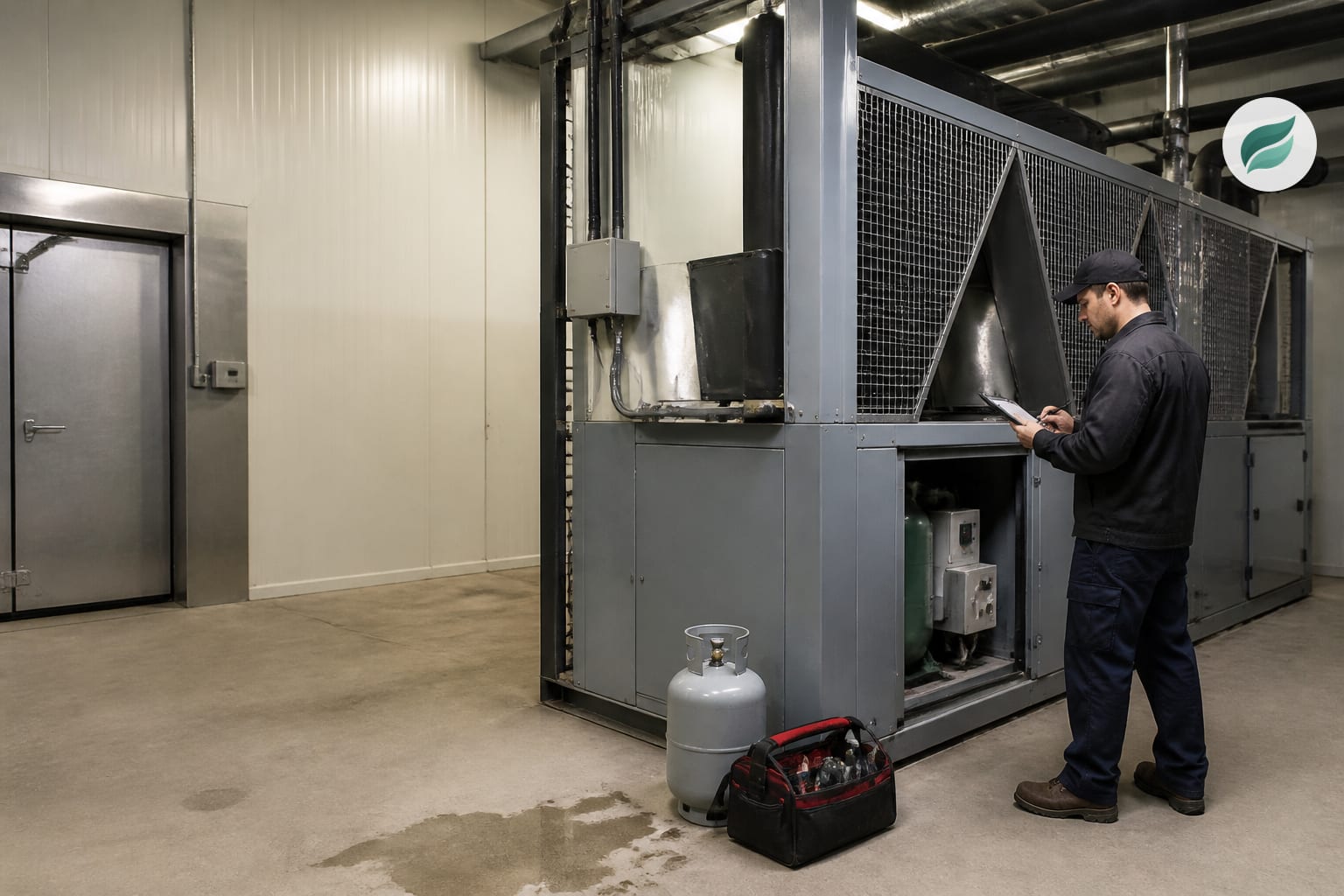
Keep audits simple: organize records by appliance
Set up a per-appliance trail for refrigerant additions, recoveries, and leak calculations so audits are fast and findings are clear.
The single most useful step you can take is to keep every refrigerant action tied to the specific appliance and its full charge. That one habit turns messy paper trails into clear audit evidence.
What to record, every time
Record these items for each service visit: appliance ID or location, date, technician, refrigerant type and amount added or recovered, whether recovery equipment passed leak test, and why the work was done. If you estimate the appliance full charge, note the source (nameplate, manual, or measurement). Short notes beat vague ones.
How to track leak rate simply
Leak rate is the refrigerant added over the prior 12 months divided by the appliance full charge. Keep a 12-month running total of refrigerant added on that appliance and the full charge value beside it. When the ratio crosses the regulatory threshold, flag it for required follow-up. Recording the math next to the totals prevents auditors from needing to re-create your work.
Make audits quick and painless
Use a consistent naming scheme for appliances and keep records in one place organized by appliance. If you keep paper, staple or clip a visit slip to the appliance folder. If you use digital logs, export per-appliance reports for the audit. Always include the technician signature or initials and a brief description of any repairs and verification tests.
Practical habits that save time
- Do a little bookkeeping on every job. A minute now avoids hours later.
- Keep nameplate photos with the appliance record. They prove full-charge sources.
- When you replace or recharge, note recovered vs new amounts separately.
Good recordkeeping protects you from audit headaches and helps you find leaks before they become service calls. Clear, per-appliance trails make it obvious what happened, when, and why.