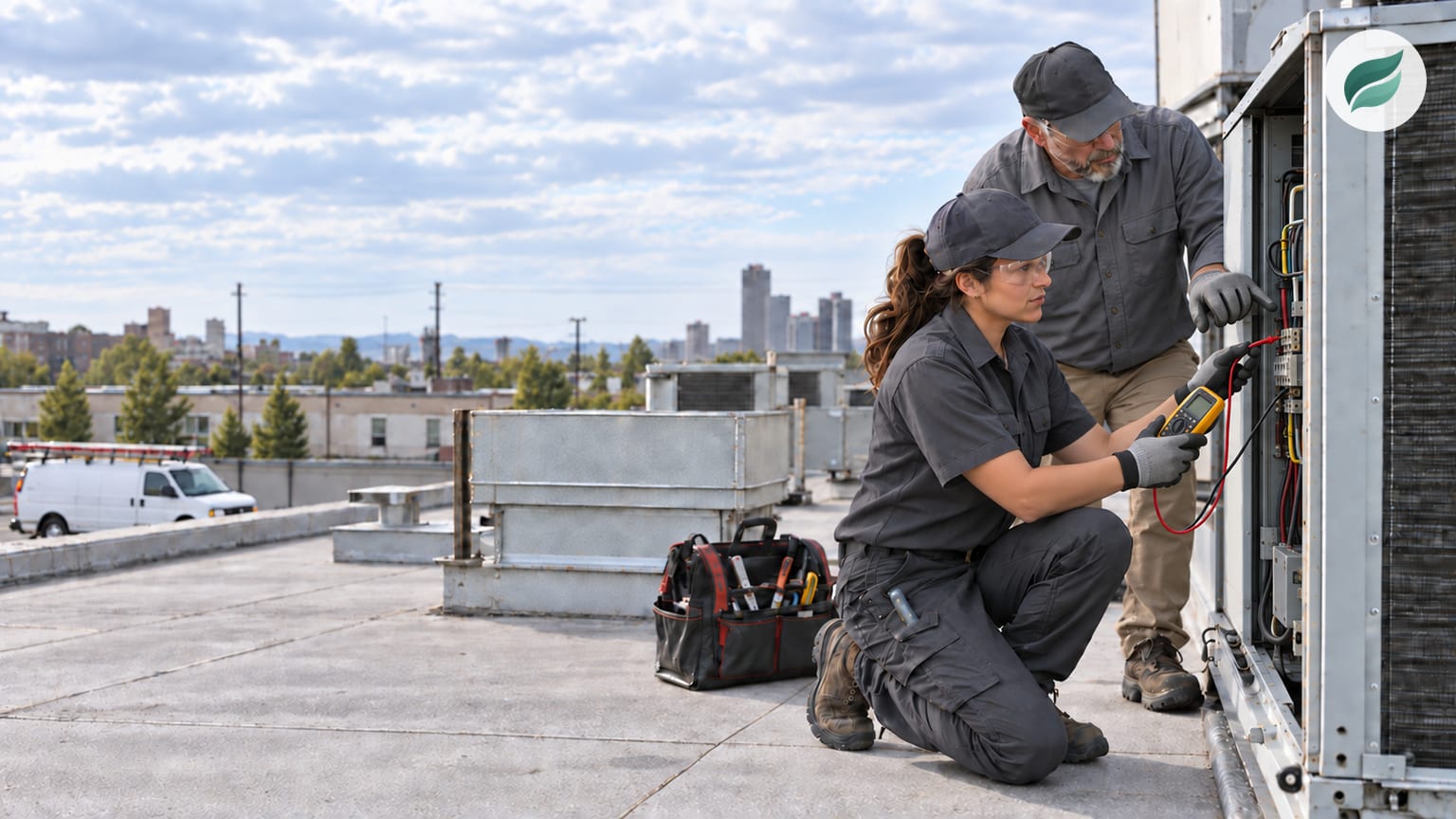
Hire for character, train for skill
Most turnover comes from mismatched expectations; prioritize attitude, clear pay progression, and fast onboarding to hire and keep HVAC/R techs.
Start by screening for attitude first, baseline technical ability second. A motivated, reliable person with a solid work ethic will learn tools and systems faster than a skilled-but-unreliable hire.
Write job posts that sell the day-to-day
List typical daily tasks, travel expectations, and hours. Candidates want to know schedules, call volume, and whether they will be doing diagnostics, installs, or both. Spell out benefits like paid training, tool allowances, and how overtime is paid.
Use a short, practical interview process
Ask about recent real situations: how they handled a stalled truck, a tough customer, or a parts shortage. Give a short hands-on task or quiz that matches common shop work. Check work history for steady employment and verify references for punctuality and attitude.
Onboard fast and focus on confidence
Get new techs on a truck within their first week with a clear 30/60/90 day plan. Assign a mentor for daily check-ins and set short, achievable goals so techs feel competent quickly. Provide standard checklists for diagnostics, safety, and vehicle maintenance.
Pay transparently and show growth
Publish pay ranges and the criteria for raises or route changes. Offer clear paths: trainee to journeyman, service tech to lead or dispatch. Include predictable incentives like monthly performance bonuses and certification pay.
Invest in training that fits the job
Offer short, hands-on classes tied to common systems your crews encounter. Use mobile-friendly guides and video walkthroughs so techs can learn between jobs. Pay for certifications that matter, and give paid study time.
Reduce friction on the job
Keep trucks stocked with common parts, streamline parts ordering, and minimize paperwork with simple forms. When techs can finish jobs without unnecessary delays, job satisfaction rises.
Build a culture that keeps people around
Recognize good work publicly, coach through mistakes, and treat techs like professionals. Small perks, flexible scheduling, tool allowances, and decent break policies, matter more than you think.
Hire for character, then make skill development easy, visible, and rewarded. That combo cuts turnover and builds a crew that stays.